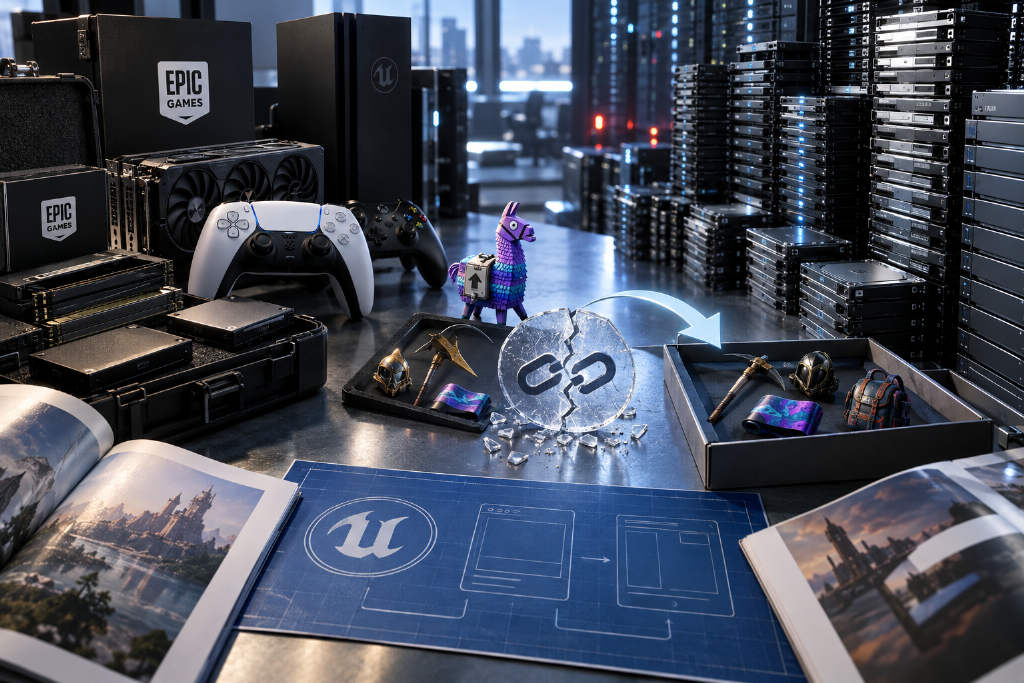
Epic Games2026-09-28 04:58:22Epic’s Tim Sweeney warns AI-driven memory crunch could push gaming hardware into crisisEpic Games CEO Tim Sweeney said in an interview with Edge magazine that AI data center spending is driving a severe supply squeeze in memory and storage components, pushing contract prices up 4x over three years and putting gaming hardware makers under mounting pressure. He argued that servers consuming high-bandwidth memory, DRAM modules, and fast SSD storage have pushed game console, handheld, PC, and peripheral vendors to the back of the purchasing line, with shortages and higher prices likely to continue for the next three years. Sweeney also said the NFT industry’s attempt to build cross-game assets had “completely failed,” adding that “everybody got scammed in the process.” Even so, he is backing a new Epic-led model built around Unreal Engine 6 and a project he calls Team Open. The idea is to let players carry cosmetic items bought in one game into another game built on the same engine, while developers share revenue based on usage. Fortnite is expected to serve as the first live example. The interview also framed the plan as a centralized version of a familiar NFT promise, with trust shifting from blockchain rails to Epic’s engine licenses and commercial agreements. While that may solve adoption problems, open questions remain around accounting, audits, refunds, arbitration, and IP liability.220
Serenity2026-09-14 04:48:43Serenity says leading AI labs are unlikely to slow development, rejects AI stock crash callsSerenity said on Sept. 14 that leading AI labs such as OpenAI and Anthropic are highly unlikely to deliberately slow the pace of development. In its view, much of the regulation these firms seek amounts to regulatory capture aimed at slowing competitors, while public statements about easing development are largely performative. Serenity also pushed back on claims circulating on X that AI-related stocks including NVDA and TSM are about to collapse. It argued that tight memory and chip supply chains are set to persist through 2031, a sign that competition for the resources needed to build AI is still intensifying rather than cooling. The comments were reported by BlockBeats.860
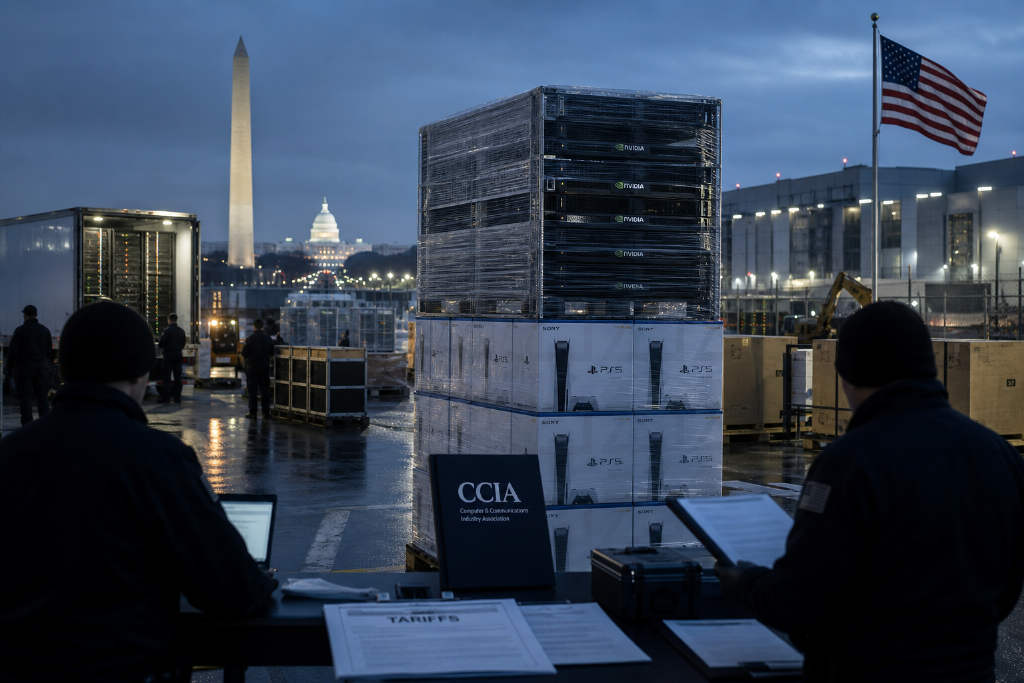
Trump2026-08-28 03:58:09Trump May Expand Semiconductor Tariffs to Game Consoles and Servers, Tech Industry Warns of AI Buildout HitThe Trump administration is weighing a broad expansion of semiconductor tariffs that could reach beyond chips themselves to products such as game consoles and servers, according to a Politico report citing eight people familiar with the matter. Industry groups say the move could carry a heavy economic cost. The Computer & Communications Industry Association estimated in June that the tariff plan could shave about $90 billion off U.S. GDP each year and cause roughly 20% of planned data center projects between 2026 and 2030 to be delayed, canceled, or moved abroad. The dispute centers on a Commerce Department report that had been due on July 1 and was meant to determine whether tariff exemptions for data centers would continue. The report has not been released. The proposed measures would rely on Section 232, which allows the president to impose tariffs on imports deemed to pose national security concerns. Earlier this year, Trump imposed a 25% tariff on semiconductors while exempting data centers, research, startups, and consumer devices. Those carve-outs may now be in doubt. Technology companies are also pushing back against the risk of "stacking," or taxing a chip once at import and again after it is embedded in products such as servers. Critics argue the approach would raise the cost of consumer electronics and U.S. AI infrastructure at a time when advanced chip shortages are expected to last through 2027.880
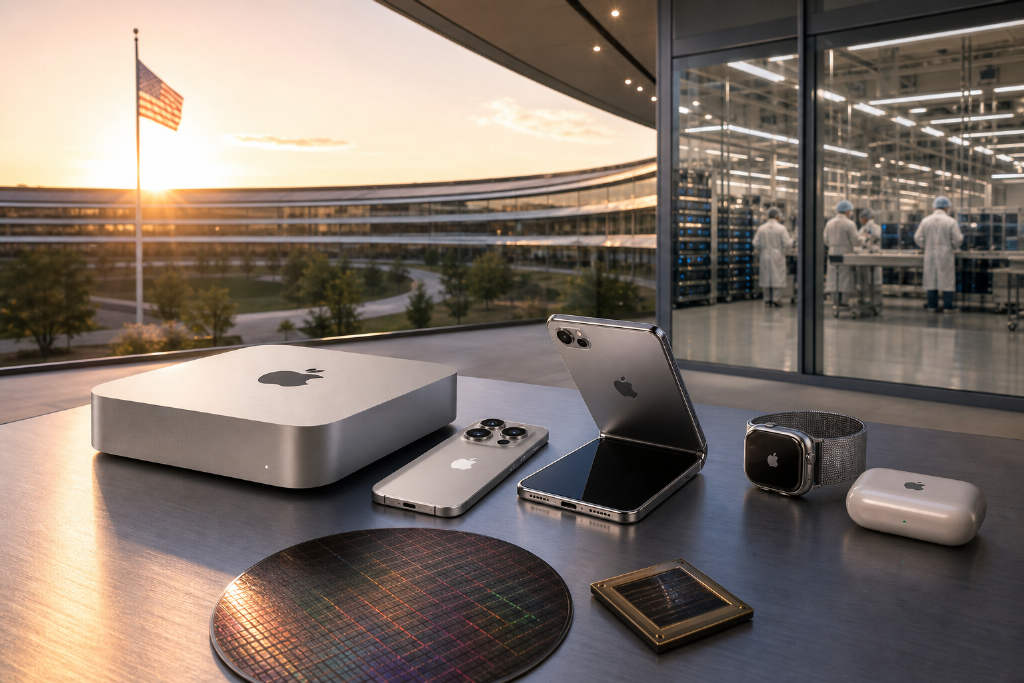
Apple2026-08-26 00:34:11Apple’s fall 2026 lineup takes shape around 2nm chips, a foldable iPhone and AI infrastructureApple has started laying out its fall 2026 product cycle before the main September event even begins. On Aug. 25 in the U.S., the company introduced a new Mac mini powered by M6 and M5 Pro chips, with Apple saying the M6 version delivers up to 4x better AI performance, up to 2x gains in graphics and storage speed, and a 40% CPU increase. The move puts AI compute at the center of Apple’s hardware roadmap ahead of its expected fall launch event. According to veteran Apple analyst Mark Gurman on Aug. 25, Apple may hold its fall product event on Sept. 9, with the iPhone 18 Pro lineup, Apple’s first foldable iPhone, Apple Watch models and AirPods among the expected headliners. The company is also said to be changing its iPhone release cadence, with the iPhone 18 Pro, iPhone 18 Pro Max and the foldable model likely to appear in September, while the standard iPhone 18, iPhone Air 2 and iPhone 18e may shift to early 2027. Beyond devices, Apple is expanding the infrastructure behind its AI ambitions. Reporting cited in the source says Foxconn is assembling Apple AI servers in Houston at a rate of about 10 units per hour, while U.S.-based wafer and chip manufacturing links are also being built out in Texas and Arizona. At the same time, Apple is entering a leadership transition, with Tim Cook set to hand the CEO role to John Ternus on Sept. 1.1300
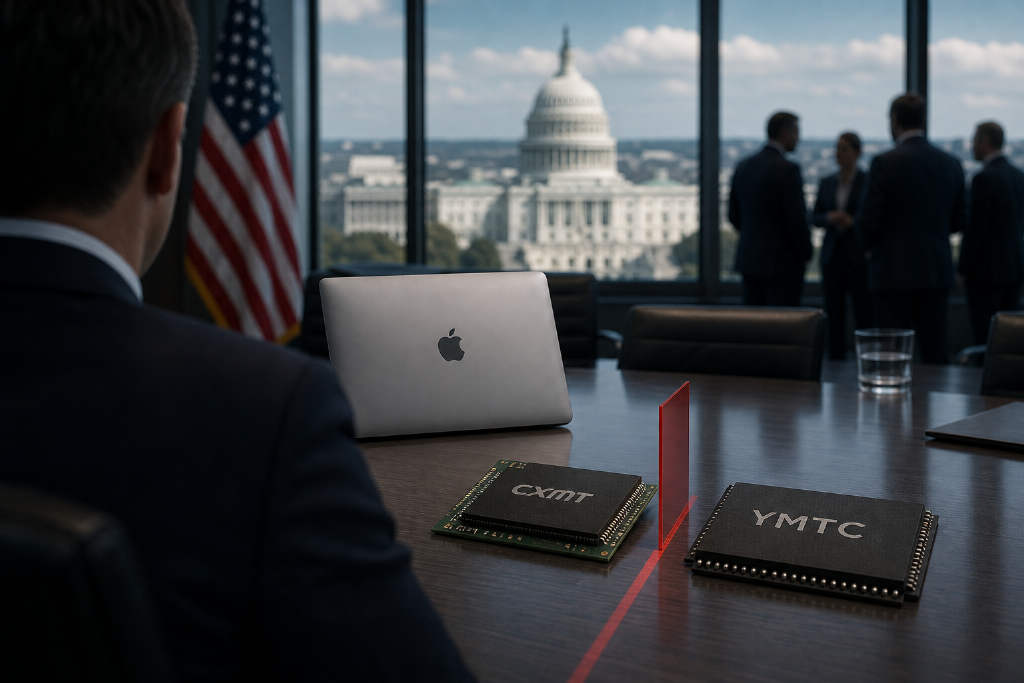
Apple2026-08-15 20:43:37U.S. commerce secretary opposes Apple sourcing memory chips from CXMT and YMTCU.S. Commerce Secretary Howard Lutnick said on Aug. 14 that the Trump administration does not support Apple buying DRAM and NAND chips from Chinese suppliers ChangXin Memory Technologies (CXMT) and Yangtze Memory Technologies Co. (YMTC). The stance puts added pressure on Apple as it weighs memory sourcing at a time when AI-driven demand has pushed costs higher. Apple had previously been testing DRAM from CXMT and was also in talks with YMTC over NAND supply, with the plan limited to products for non-U.S. markets. According to the report, YMTC has been on the U.S. Entity List since 2022, while CXMT was added to a military-related company list in 2025. Micron Technology has also been lobbying against the procurement approach. Apple now faces an Aug. 21 deadline to commit to dropping the two Chinese suppliers.1550
TSMC2026-07-31 10:12:49Why TSMC stayed with Kumamoto after the 7.1 quake hit JASMA 7.1-magnitude earthquake that struck Kumamoto on July 28 briefly halted production at Japan Advanced Semiconductor Manufacturing (JASM), TSMC’s chip venture in the prefecture, and paused construction at its second plant. The disruption revived a familiar question in the market: why would TSMC place such a large wafer-fab investment in a high-risk seismic zone? The source article argues the answer lies less in luck than in industrial arithmetic. Kumamoto sits inside a semiconductor cluster built over roughly six decades across Kyushu, with nearby suppliers, customers, water resources and lower power costs already in place. JASM’s two plants also carry more than $20 billion in combined equipment investment, while Japanese government subsidies for the first and second fabs total about ¥1.2 trillion, covering roughly 40% of spending. The article also points to precedent. Sony suffered ¥28 billion in losses in the 2016 Kumamoto earthquake, yet stayed in Kikuyo and kept expanding. In that framing, the real comparison is not between risk and no risk, but between recovery costs after a quake and the far higher cost of relocating an entire supply-chain ecosystem.940
CIA2026-07-23 01:10:14CIA Warned Silicon Valley CEOs of China-Taiwan Conflict by 2027; GDP Could Tumble 11%A New York Times investigation reveals the CIA briefed Tim Cook, Jensen Huang, and other tech leaders in 2023 about China’s potential military action against Taiwan before 2027. Loss of Taiwan’s chip supply would cause an 11% U.S. GDP drop—double the 2008 crisis. TSMC is investing heavily in Arizona but capacity remains limited.460
Samsung strik2026-07-22 19:10:13Samsung Union Issues Ultimatum: 18-Day Strike Looms as Wage Talks StallSamsung's largest union NSEU demands management respond by Friday 10am or face an 18-day strike starting May 21. The walkout could disrupt DRAM and HBM supply for AI chips and memory markets.520